What Happens During a Ketamine Therapy Session? Step-by-Step
Have you ever wondered what actually happens inside a ketamine therapy room?
Most people picture something intense or mysterious. The reality is calmer, more clinical, and much more structured than social media suggests. If you have been searching for what happens during a ketamine session and want a straight answer without the hype, you are in the right place.
At
Vital Psych MD we walk patients through ketamine infusion therapy every week in our Miami, New York and Austin offices. Below is the exact walkthrough we give our own patients from the moment you walk in to the moment you head home. You will see timings, sensations, safety checks, and practical tips so you know what to expect and how to prepare.
What Happens During a Ketamine Therapy Session Start to Finish
Think of ketamine infusion therapy as a short, monitored medical appointment with a beginning, middle, and end. The whole visit usually runs 90 to 120 minutes, while the infusion itself runs 40 to 60 minutes.
In simple terms:
- We review your vitals and history.
- You get settled in a quiet, private room.
- A small IV is placed and ketamine is given slowly through a pump.
- We monitor you the entire time.
- You rest during a short recovery window and leave with a ride home.
This is the same flow whether you visit our ketamine clinic in Downtown Miami near Bayfront Park and Brickell, our Midtown Manhattan location near Madison Square Park and the Empire State area, or our Austin clinic on Balcones Drive near The Domain. If you searched for a ketamine clinic near you, this is the sequence you can expect from us.
Before You Arrive: How We Prepare You at Our Ketamine Clinic
Good results start before the IV. At Vital Psych MD we do a full psychiatric evaluation first to confirm if ketamine infusion therapy fits your needs, your medical history, and your current medications.
Preparation reduces anxiety and improves safety, so we never skip it.
What we ask you to do:
- Share a complete medication list, including supplements and sleep aids.
- Avoid heavy meals, alcohol, and recreational substances for 24 hours before
- Arrange a trusted adult to drive you home. You cannot drive after
- Wear comfortable clothing and bring a list of questions
- Plan a calm evening after with no big decisions or work calls
We also talk through your goals. Are you seeking relief from treatment-resistant depression, severe anxiety, PTSD, or chronic pain that has not responded to standard care? That context helps us tailor dose and support. You can learn more about how we think about dissociative treatments on our
dissociative drug therapy overview.
Step 1: The Check-In and Safety Review
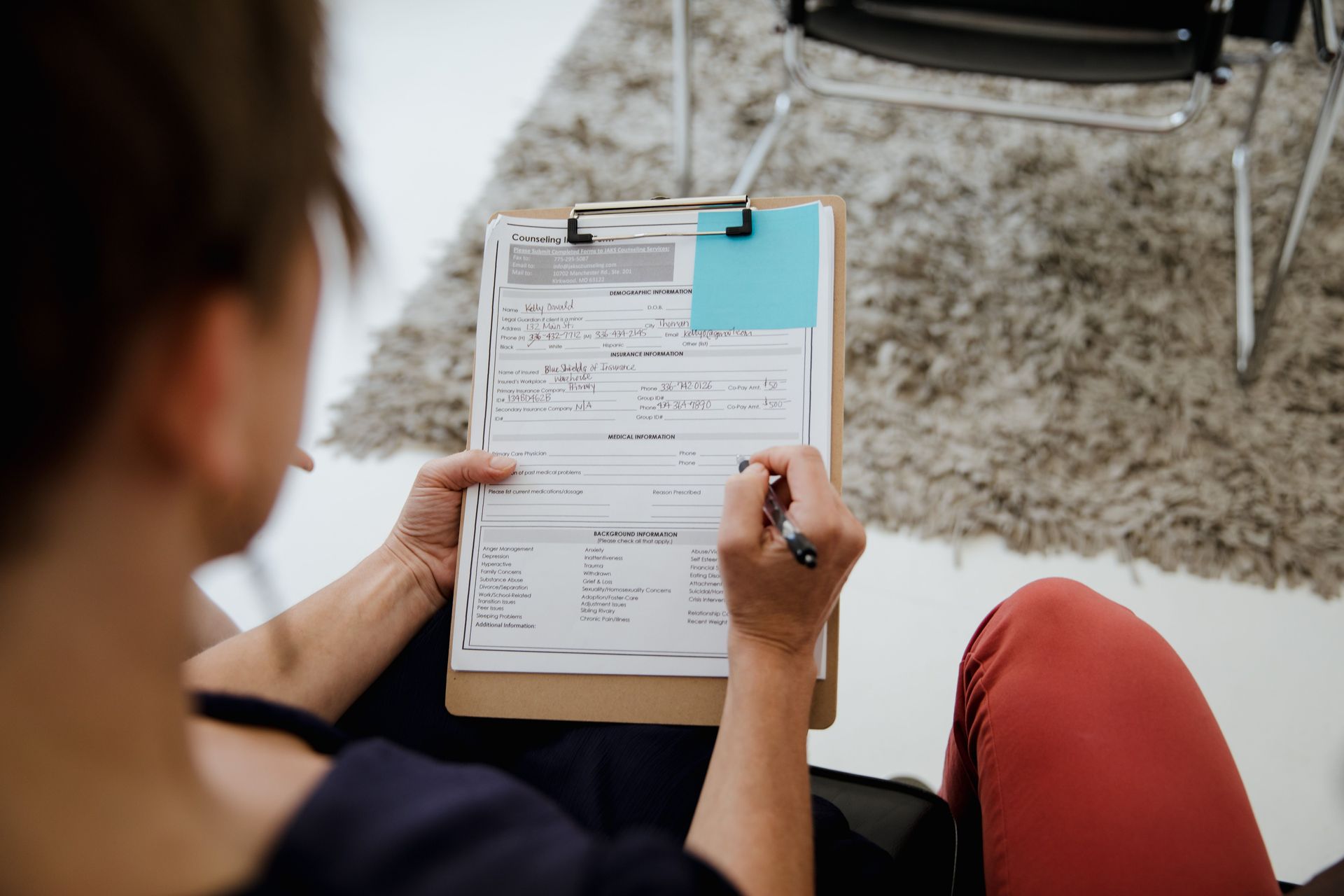
When you arrive at our ketamine clinic, you will be greeted in a quiet area, not a busy infusion bay. We take baseline vitals like blood pressure, heart rate, and oxygen, and we review how you slept and how you felt that day.
We ask about any changes in health, new medications, or recent substance use. This is also when we confirm consent and answer last-minute questions. At our Miami office near Biscayne Bay, many patients come from Brickell, Wynwood and Coral Gables, so we keep this check-in brief and respectful of your time. Same in New York near Madison Avenue and in Austin near Balcones Drive.
If your vitals are high or you feel unwell that day, we pause and reschedule. Safety comes first.
Step 2: Getting Comfortable and Placing the IV
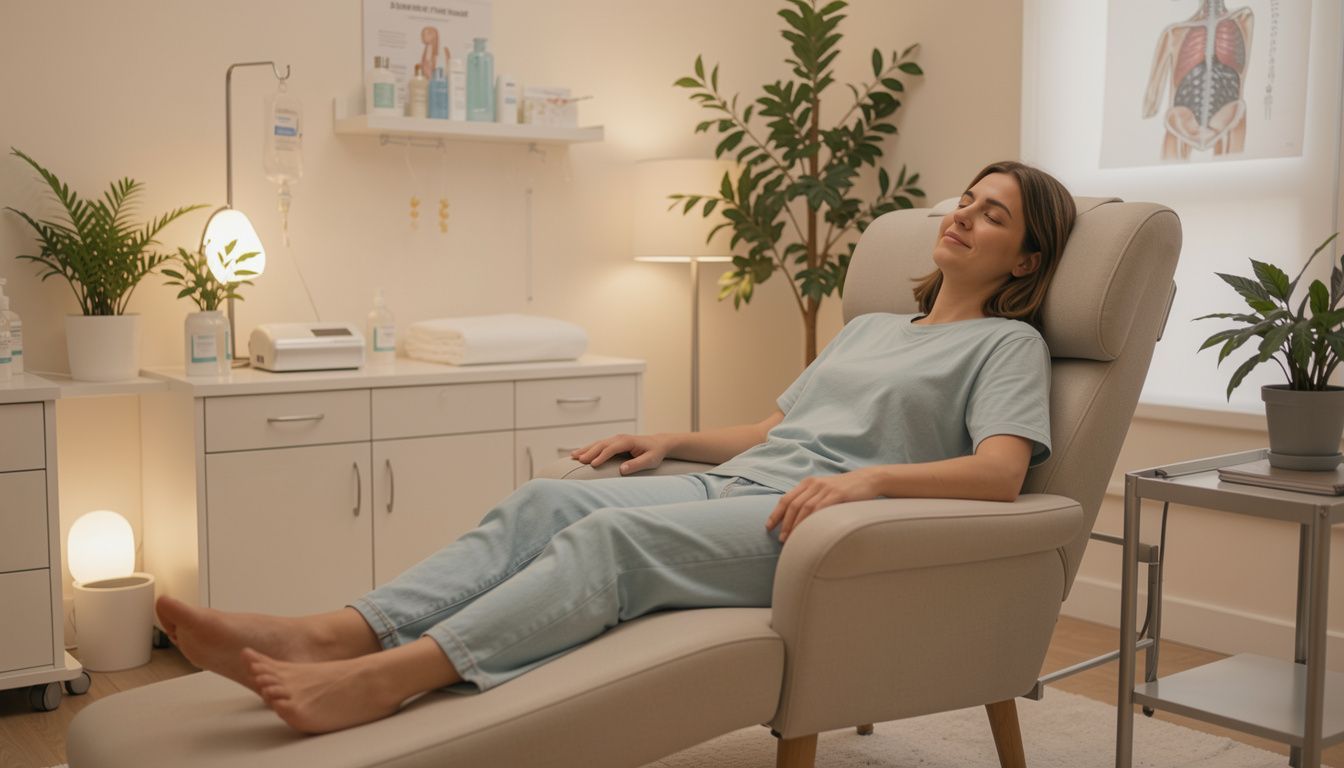
You will recline in a comfortable chair in a dim, quiet room. We offer an eye mask and soft music if you want it. Many patients bring their own playlist.
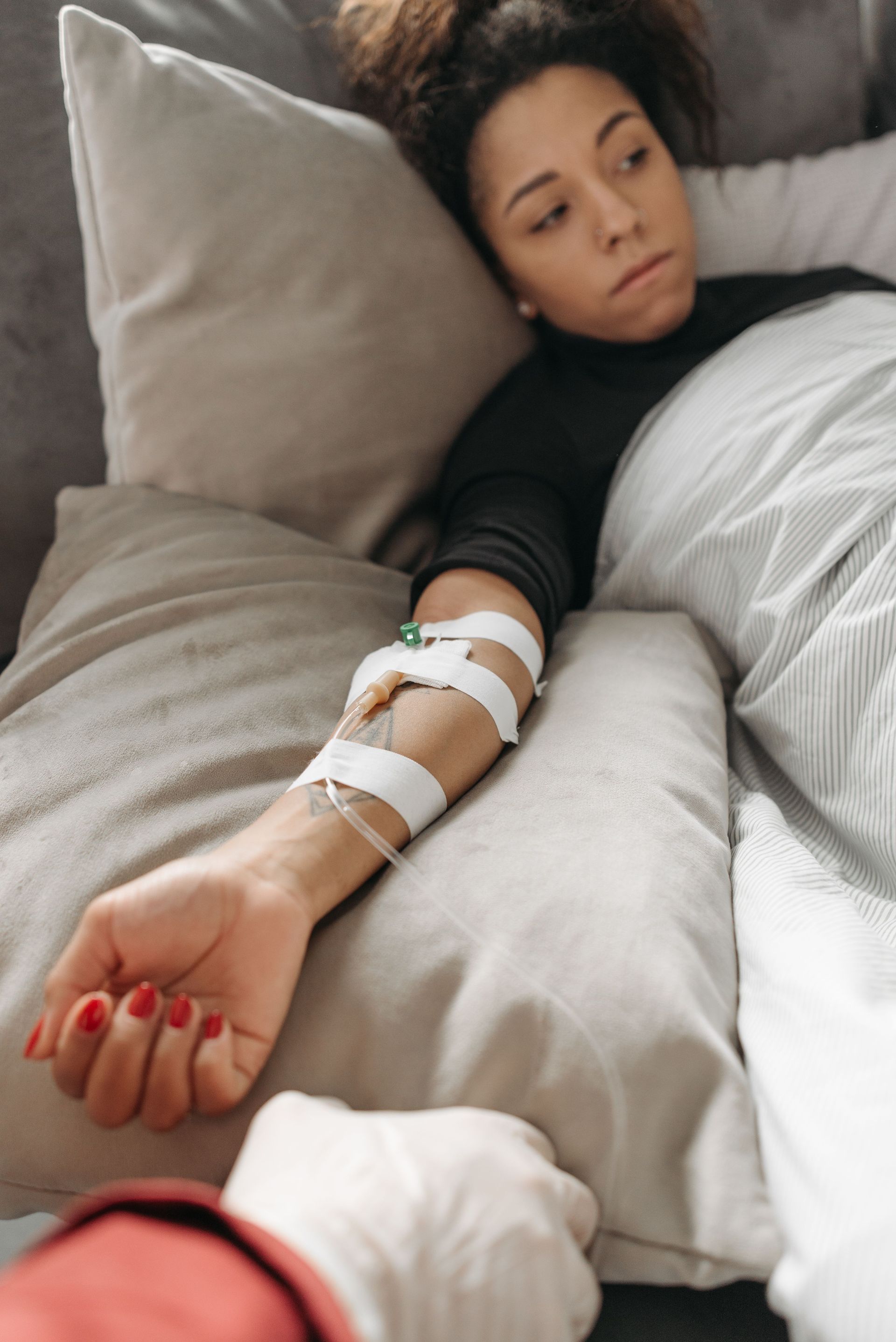
A nurse places a small IV, usually in your arm or hand. You may feel a quick pinch. Once the line is in, we connect it to an infusion pump that controls the dose precisely. The pump lets us start low and adjust slowly, which is why ketamine infusion therapy is considered more controllable than other forms.
This part takes about 5 to 10 minutes. You stay awake the whole time. We stay in the room or right outside with direct line of sight.
Step 3: The Ketamine Infusion Therapy Experience Minute by Minute
Here is what happens during a ketamine session once the pump starts.
- Minutes 0 to 5: The medicine begins to enter. Most people notice a lightness or a sense that sounds are a bit distant. Heart rate and blood pressure may rise slightly, which is expected.
- Minutes 5 to 20: Effects build. You may feel detached from your body or surroundings. Some people describe colors as brighter, time as slower, or thoughts as more fluid. This is often called dissociation. It is temporary and part of how ketamine works on glutamate and NMDA receptors.
- Minutes 20 to 40: Peak experience. Many patients close their eyes and drift. Some have vivid internal imagery, some feel calm and deeply relaxed, and a few feel briefly uneasy. We check in quietly and can lower the rate or add support if needed.
- Minutes 40 to 60: Pump slows and stops. Effects begin to fade. You may feel a bit floaty, dizzy, or tired.
You stay conscious and you can talk to us at any point. You are never left alone.
Current research helps explain why patients seek this option. A 2024 network meta-analysis of 72 randomized trials with 12,105 participants positioned ketamine and esketamine among preferred first-line augmentation strategies for treatment-resistant depression. A 2025 systematic review comparing IV ketamine and intranasal esketamine found comparable acute response with an odds ratio of 1.26 and comparable remission with an odds ratio of 1.31.
And a JAMA Psychiatry systematic review of 26 trials with 1,166 patients found that IV ketamine rapidly reduced both suicidal and depressive symptoms within hours, with benefits persisting for weeks in some patients.
You can read more in high-authority sources like
JAMA Psychiatry and the
National Institute of Mental Health.
Step 4: Monitoring and Support While You Are in Session
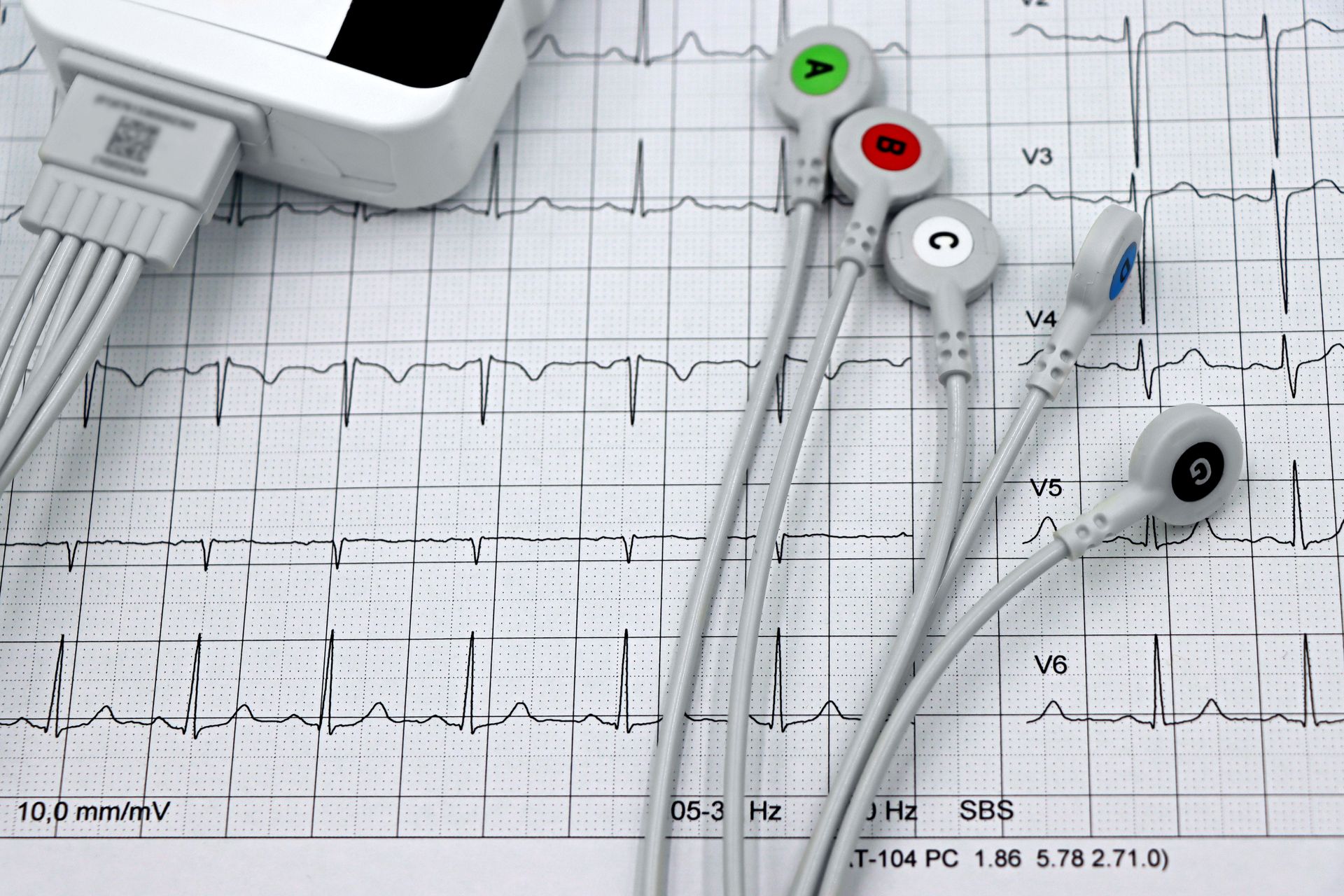
Throughout ketamine infusion therapy we track blood pressure, heart rate, oxygen saturation, and your subjective comfort. Our team is trained to manage common short-term effects like nausea, dizziness, or anxiety.
We keep the environment low stimulation. No bright lights. No loud interruptions. If you feel nauseated, we can give anti-nausea medication before or during. If anxiety rises we coach breathing and adjust the infusion. Rarely do we pause.
This level of monitoring is why we recommend a medical ketamine clinic over at-home or unsupervised use. The dose is low compared to anesthesia, but the setting still matters.
If you want to go deeper on safety, read our full guide on
ketamine therapy safety when standard anxiety treatments fail. It covers who should avoid ketamine and what long-term data shows.
Step 5: Waking Up and the Recovery Window
When the infusion ends, you rest for about 20 to 40 minutes. Most people feel clear-headed within minutes, but we ask you to stay until you feel steady on your feet.
Three common aftereffects are dizziness, temporary disorientation, and fatigue. Some people feel energized right away. Both are normal. We offer water, a light snack, and time to sit.
You must have a ride home. We ask you to avoid driving, alcohol, heavy machinery, and major decisions for the rest of the day. Many patients plan a quiet evening and a good night of sleep.
Plan for rest, not errands, after ketamine infusion therapy.
How Long Does a Ketamine Infusion Therapy Appointment Take?
Patients searching for ketamine infusion therapy near you often want a time block they can put on a calendar.
| Phase | Typical Time | What Happens |
|---|---|---|
| Check in and vitals | 10 to 15 minutes | History review, vitals, and consent |
| Room setup and IV | 5 to 10 minutes | Recline, eye mask, and IV placement |
| Infusion | 40 to 60 minutes | Slow, pump-controlled dose and monitoring |
| Recovery and discharge | 20 to 40 minutes | Rest, recheck vitals, and arrange a ride home |
| Total in clinic | 90 to 120 minutes | About two hours from start to finish |
Cost Follow-Up and Integration Tips
Cost varies by location and plan. Most patients start with an initial evaluation, then a loading series. Maintenance intervals differ. We discuss pricing, insurance, and payment options during consultation and we offer free benefit checks.
To get more from each session:
- Bring an intention, not a script. One simple focus helps, like calm or clarity.
- Use the neuroplasticity window. Your brain is more responsive for hours to days after, so we recommend therapy or journaling in the next 24 to 48 hours.
- Track mood, sleep, and anxiety with a simple note each day.
- Avoid alcohol and cannabis for at least 24 hours after
- Keep follow-up appointments so we can adjust your overall plan.
Integration matters as much as infusion. Ketamine opens a window; your habits and therapy help keep it open.
In A Nutshell
If you are ready to talk about whether ketamine infusion therapy fits your story, we would like to hear from you. At Vital Psych MD we offer a full evaluation, a clear safety review, and a personalized plan that respects your goals and your schedule. Contact our team to schedule a consultation at our Miami office near Brickell and Bayfront Park, our New York office near Madison Square Park, or our Austin office on Balcones Drive, or ask about telehealth follow-up. We are here to help you find a better now for an excellent tomorrow.
Reach us at our
contact page or call our main line. Let us guide your next step with care and clarity.
FAQs
How long will I be at the ketamine clinic for one session?
You will be with us for about 90 to 120 minutes total. The infusion itself is 40 to 60 minutes, plus check-in and a short recovery period before discharge with a ride home.
Do I need someone to drive me after ketamine infusion therapy?
Yes. You must have a trusted adult drive you home and stay with you for a few hours. You should not drive, work, or make big decisions for the rest of the day.
What does ketamine infusion therapy feel like during the session?
Most people feel relaxed, light, and detached from surroundings with some visual or time distortion. Effects peak around 20 minutes and fade quickly after the infusion stops.
Is ketamine infusion therapy safe at your Miami, New York and Austin clinics?
When given in a medical clinic with monitoring, it is considered safe with short-term effects like dizziness, nausea, and a temporary rise in blood pressure that resolves quickly.
How soon will I feel better after ketamine infusion therapy?
Some patients feel relief within hours; others need a few sessions. Studies show response can appear after one or two infusions and may last days to weeks, especially when paired with ongoing psychiatric care.

Dr. Kalvin Kapoor
Senior Medical Specialist & Clinical Researcher
Dr. Kalvin Kapoor is a board-certified physician specializing in preventive medicine and health communications. He bridges complex clinical research and actionable wellness guidance to empower readers toward healthier, informed lifestyles.