Ketamine Therapy Safety: When Standard Anxiety Treatments Fail
Ketamine therapy is safe when administered in a controlled medical environment by a professional psychiatrist. The only common side effects are dissociation, dizziness, and a temporary increase in blood pressure that disappears after the session. It cannot be used by everyone, and a psychiatric assessment is necessary to determine eligibility.
The Frustration of Treatment-Resistant Anxiety
Living with debilitating anxiety is miserable. It dictates how we live our lives and takes a huge toll on our bodies. But for millions of Americans, the most common treatments - SSRIs (such as Lexapro and Zoloft) and psychotherapy - don’t go far enough.
Patients who don’t respond to two or more medications are considered to have treatment-resistant anxiety (or treatment-resistant depression, since the two often occur together).
At
Vital Psych MD, we hear this dialogue from potential new patients almost every week: "I've tried everything. The medicines stop working, or I can't take them because I feel numb emotionally". If this is your experience, please know that there are effective, alternative treatments being utilized by medical professionals like myself to help people like you feel better, faster.
Unfortunately, because of the publicity surrounding this particular medication, there is a lot of misunderstanding about how this therapy works, what the benefits are, as well as what risks or side effects may be involved. As an evidence-based psychiatrist, it is my obligation to set the record straight.
What is Ketamine Therapy?
Ketamine therapy refers to the use of medical-grade ketamine, which has been extensively diluted for the rapid treatment of debilitating mental disorders. It can be administered through intravenous (IV) infusion therapy, intramuscular injection, or as an FDA-approved nasal spray known as Spravato or esketamine.
Initially approved by the FDA in 1970, Ketamine is a safe and efficient surgical anesthetic that does not depress the respiratory and cardiovascular systems the way other similar drugs do. Several decades later, it was discovered that the substance, when administered in substantially lower doses, can quickly eliminate depression and anxiety.
When it comes to ketamine therapy, there are two main types of the procedure. The two differ significantly from one another and are, therefore, very important to distinguish. Below are the most essential differences between the two.
- Esketamine (Spravato): A specific form of ketamine that comes as an FDA-approved nasal spray for the treatment of treatment-resistant depression (TRD) and major depressive disorder (MDD) associated with suicidal ideation.
- Racemic Ketamine (IV, oral, or intramuscular): This is the original form of ketamine that has been studied and used for anxiety and depression, although it is currently only approved by the FDA for other indications. However, it has been used off-label for years with great results, supported by many peer-reviewed studies including those from the NIH.
How Ketamine Therapy Works for Anxiety
Unlike traditional anxiety medications that target serotonin production and require several weeks to show effect, ketamine treatment acts on the glutamate system in the brain. The ketamine procedure impacts the NMDA receptors to allow the increased production of another neurotransmitter called glutamate that promotes neuroplasticity. The brain creates new neural connections, which lead to the development of new neural circuits and eventually replace the damaged ones.
Most medications usually target monoamine neurotransmitters in the central nervous system. They include serotonin, dopamine, and norepinephrine, among others. The drugs target these systems to reduce anxiety and take about four to eight weeks to be effective.
Unlike other antidepressants, ketamine acts on a different receptor, the NMDA receptor, on which glutamate acts. Glutamate is the main excitatory transmitter in your brain, responsible for learning or memory functions.
When a person has an anxiety attack or depression episode, their brain undergoes stress that harms some synapses, ultimately changing the structure of the whole brain. Ketamine blocks the NMDA receptor, causing an accumulation of glutamate, which ultimately causes an increase in
Brain-Derived Neurotrophic Factor.
Think of BDNF as fertilizer for your brain: it promotes the growth of healthy, new synapses. Rather than simply masking the effects of anxiety, ketamine treatments act on the root cause - the damage to the brain that is the result of chronic anxiety - to actually rebuild your brain's natural circuitry.
The Reality of Safety: Risks, Side Effects, and Monitoring
Ketamine can be easily described as a reasonably safe treatment with minor short-term side effects. Thus, it is considered safe when the proper dosing and experienced control are maintained. The most common side effects are dissociation, dizziness, and increased blood pressure during treatment. Also, ketamine is not recommended for patients with high blood pressure, psychosis, or recent substance abuse.
What concerns us as the professionals at Vital Psych MD most is the patient’s safety. Since ketamine has a long history of being used as a recreational drug, there are understandable safety fears among the population. Nevertheless, ketamine therapy in the treatment of depression is substantially different from the use of the substance outside medical control. It is different in dosing, setting, purity, and professional monitoring.
What Happens During the Session (Short-Term Risks)
The dose of ketamine for treatment of mental health conditions is significantly lower, compared to the doses used for anesthesia. However, during your procedure, you may experience several side effects, which are commonly linked to the use of this substance:
- Dissociation: feeling detached from your body or surroundings; however, this side effect normally disappears within an hour;
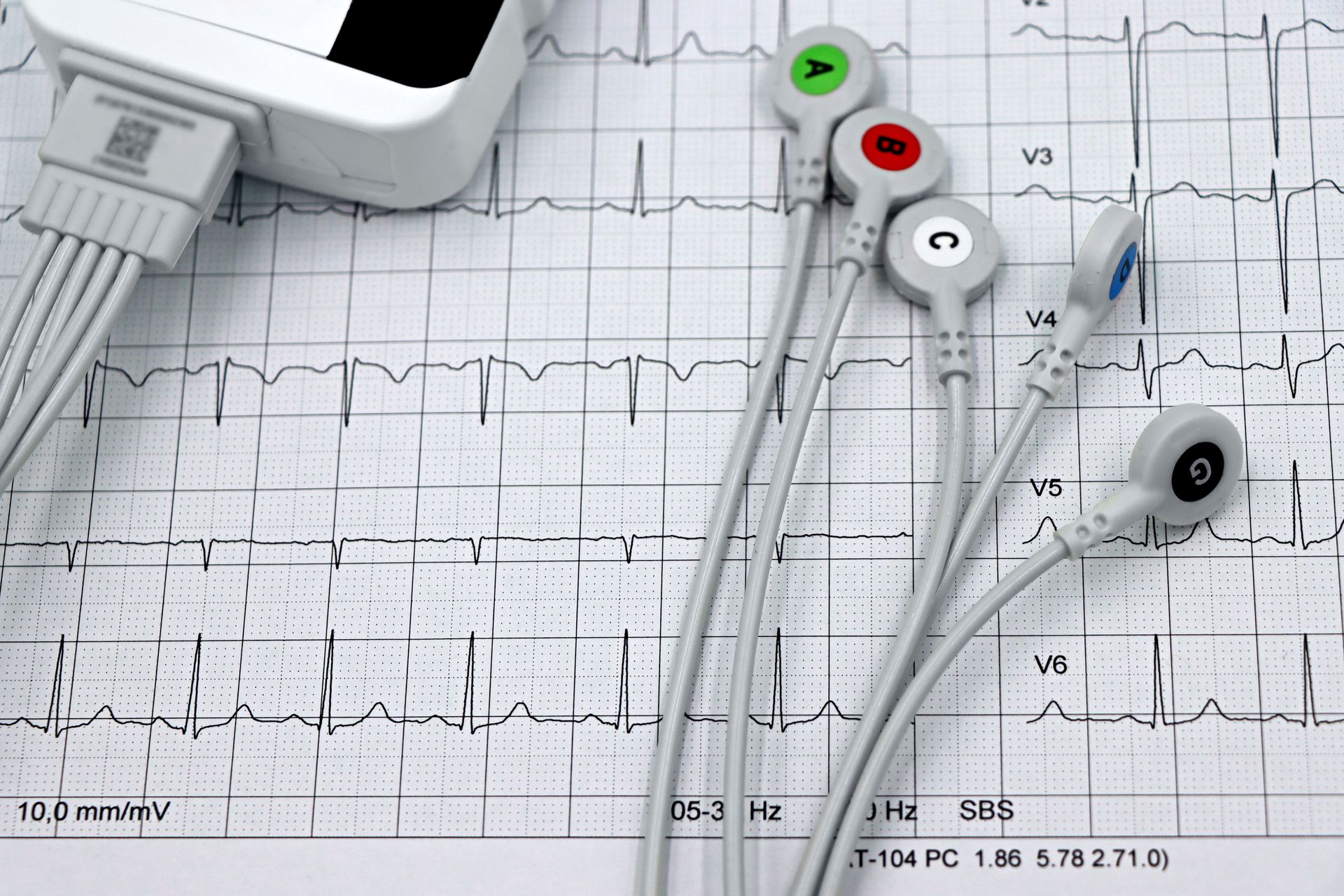
- Elevated blood pressure: ketamine increases the heart rate and blood pressure, which is why your vitals are monitored throughout the procedure;
- Nausea or dizziness: some patients report experiencing motion sickness, which can be resolved with an anti-nausea medication administered to them before the treatment.
Long-Term Safety Profile
Research conducted by the American Psychiatric Association (APA) suggests that ketamine treatment does not have adverse effects on a patient’s cognitive functioning. Moreover, the only severe side effects of ketamine (development of interstitial cystitis) are associated with extreme abuse of the substance (in high doses and in cases of extended usage), which is not characteristic of sub-clinical treatment.
Is Ketamine Addictive?
Ketamine does have abuse potential, which is why it is typically given under strict medical supervision. In my experience, it is relatively safe when administered in therapeutic dosages as a part of carefully designed treatment protocols.
Ketamine vs. Spravato vs. Standard Treatments
Ketamine also has a faster onset of action, providing therapeutic benefits within hours or days, compared to weeks or months for SSRIs. Moreover, patients usually receive ketamine in unique sessions, while daily use of the medications is required in the case of SSRIs. Another method to treat treatment-resistant anxiety and depression is TMS therapy, which uses magnetic fields instead of drugs and is considered one of the best treatment options available.
We have created a list of the main treatment options for you to compare them side by side.
| Feature | SSRIs / SNRIs (Pills) | Spravato (Esketamine) | IV Ketamine | TMS Therapy |
|---|---|---|---|---|
| Speed of Relief | 4 to 8 weeks | 24 hours to a few days | Hours to a few days | 2 to 4 weeks |
| Administration | Daily at home | In-clinic under supervision | In-clinic under supervision | In-clinic, 5 days/week |
| Primary Mechanism | Serotonin / Norepinephrine | Glutamate (NMDA receptor) | Glutamate (NMDA receptor) | Magnetic neural stimulation |
| Common Side Effects | Weight gain, sexual dysfunction, fatigue | Dissociation, dizziness, temporary BP increase | Dissociation, dizziness, temporary BP increase | Mild scalp discomfort, headache |
| FDA Approval Status | Approved for anxiety/depression | Approved for TRD & MDD with suicidal thoughts | Off-label for mental health (approved for anesthesia) | Approved for TRD, OCD, smoking cessation |
If you are uncertain which direction you want to take, we often talk about the difference between Dissociative Treatments and TMS during our introductory meetings.
Who is a Good Candidate?
Who is a good candidate for ketamine therapy? Patients who have failed at least 2 different standard of care psychiatric medications. Not applicable to patients with uncontrolled hypertension, schizophrenia or active substance abuse.
While ketamine is a very effective medical treatment, it isn't the answer for everyone. To schedule an appointment, we recommend you start by calling for a
psychiatric evaluation.
You may be a good candidate if:
- You suffer from severe anxiety, major depression, or PTSD.
- Standard medication management (like SSRIs) has failed to provide relief.
- Are willing to engage in psychotherapeutic interventions in addition to medication.
- Have normal, controlled blood pressure.
Ketamine is generally avoided if you have:
- History of psychosis or schizophrenia.
- Uncontrolled hypertension or significant cardiovascular disease.
- Substance abuse.
- History of manic episodes not controlled by mood stabilizers (ketamine has been reported to precipitate manic episodes in patients with bipolar disorder).
The Patient Journey: What to Expect
A standard course of therapy with ketamine includes an initial assessment, a loading course of two sessions per week for 3-4 weeks, and the following maintenance stage. During infusions, patients receive twice-weekly unsupervised infusions supervised by medical staff.
Being well-informed about prior procedures, those occurring during the treatment, and the aftercare instructions eliminates any unnecessary worries concerning the therapy. Below are the standard steps of the treatment which you will undergo at our clinic.
1. The Initial Consultation
Unlike many other clinics, we do not prescribe treatment without obtaining a comprehensive medical and psychiatric history. Whether you visit our offices in Midtown Manhattan, Downtown Miami's Brickell neighborhood, the Austin area, or you consult with us via our telepsychiatry platform, your initial evaluation will include an extensive discussion of your presenting concerns, treatment history, and treatment goals.
2. The Treatment Session
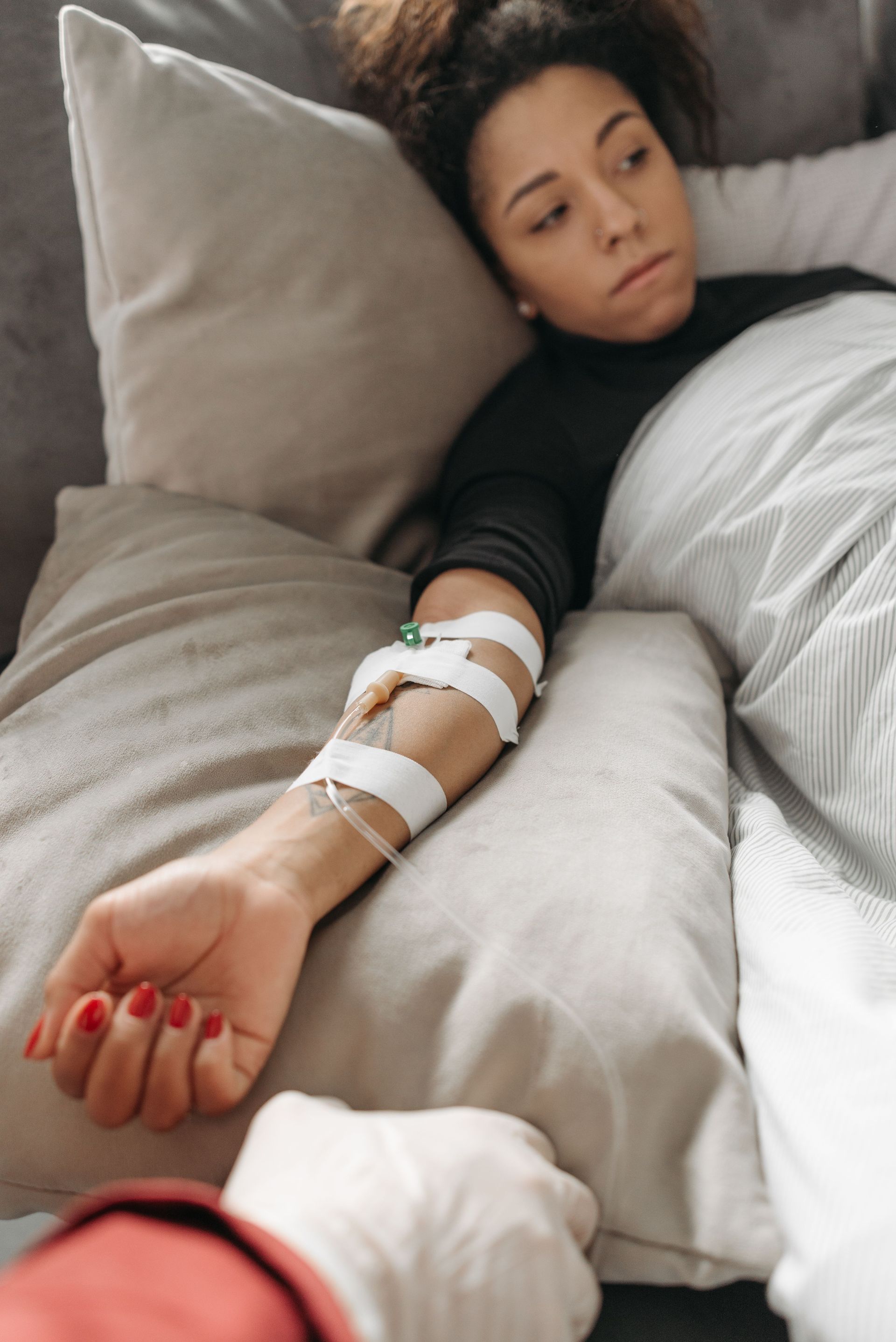
If you are prescribed Spravato or in-clinic ketamine, you will be transported to our comfortable offices, where you will self-administer the medication (Spravato nasal spray) or receive the medication (ketamine infusion) under the supervision of our medical staff.
- You will be able to lie comfortably in a quiet room, sometimes with an eye mask and soothing music.
- The dissociative effects of the medication last 45-60 minutes
- Our medical staff will be monitoring your blood pressure and general wellness.
- You will be required to stay in the clinic for a total of two hours and have a trusted friend or family member pick you up.
3. Integration and Long-Term Planning
Ketamine creates a “window of neuroplasticity,” which generally lasts anywhere between a few hours and several days post-administration. Your brain is more responsive at this point; thus, we recommend engaging in psychotherapy to develop effective psychological coping mechanisms in order for your brain to take full advantage of the “window.” We also recommend continuing your telepsychiatry sessions to ensure your long- term wellness and to make any necessary adjustments to your aftercare plan accordingly.
Why Individualized Psychiatric Evaluation Matters
The most common mistake that patients make when seeking information about ketamine treatment for anxiety is that they think of it as a product they can buy. Ketamine is an intensive medical procedure.
Without an individual psychiatric evaluation, your doctor may fail to take into account certain important factors. For instance, severe anxiety often occurs alongside bipolar disorder, ADHD, and other conditions resulting from a traumatic experience. The failure to identify these comorbidities will lead to poor treatment outcomes. We strive to deliver high-quality psychiatric care; thus, we always consider the patient’s unique circumstances.
Ready to Find Real Relief?
If you have been struggling with anxiety for months or even years and nothing has worked so far, it is time to consider evidence-based treatment. There is no reason to suffer from treatment-resistant anxiety.
Our team of professionals at Vital Psych MD will help you overcome your mental health struggles. We offer a variety of high-quality, personalized psychiatric services and treatments, including ketamine therapy, Spravato, TMS, or medication management. Let us help you get back to living your best life.
Contact us today to schedule a full psychiatric evaluation. You may visit our offices in New York City, Miami, or Austin, or speak to one of our professionals from the comfort of your own home through our telepsychiatry service. Let's find the therapy that's right for you.
Frequently Asked Questions
How long does ketamine therapy take to work?
Unlike other antidepressants, ketamine treatment often begins to work after the first injection, which may be taken after several days or even hours. A standard introductory course of the treatment consists of two injections per week for around a month.
Is Spravato the exact same as ketamine?
No, but they are closely related. Spravato is the brand name for esketamine, which is one of the two molecules that make up ketamine. Spravato is an FDA-approved nasal spray for treatment-resistant depression. Ketamine is a molecule that includes both esketamine and another molecule, and can be used off-label as an IV for mental health.
Does health insurance cover ketamine therapy?
Not all insurances are the same. Spravato (esketamine) is FDA-approved and is often covered by most insurances for treatment-resistant depression. IV ketamine, on the other hand, is considered off-label for mental health and is usually self-paid (some people use HSA/FSA).
Can ketamine cure my anxiety permanently?
Unlike traditional treatments, ketamine therapy is not a permanent solution, as the treatment is essentially a catalyst for your body's own healing mechanisms. Ketamine reduces the symptoms you're struggling with, while also promoting the growth of new neural pathways that you can use to change your thought patterns for the better.
Will I lose control during a ketamine treatment?
While you will be dissociating (that is, feeling a bit removed or spaced out), you will remain awake and aware. We will make sure that you are not only comfortable, but that you feel totally safe. We control the amount of medication to keep you conscious for the full two-hour procedure.
Who should avoid ketamine treatment?
Ketamine Therapy is contraindicated in patients with uncontrolled high blood pressure, a history of psychosis, active schizophrenia, or a recent history of substance abuse. The patient needs to be evaluated by a board-certified psychiatrist to ensure that the treatment is indicated in their particular case.