Ketamine vs. Spravato (Esketamine): What's the Difference?
Have you tried two or more antidepressants and still feel stuck? You are not alone and you are not out of options. Many of our neighbors from Brickell to Bayfront Park come to us asking the same thing. What is the real difference between ketamine and Spravato?
In this guide we break it down in plain language. You will learn what ketamine treatment is, what Spravato treatment is, how esketamine treatment fits in, and how to think about safety cost and results. We will share current numbers from trusted sources and give you clear next steps.
What Is Ketamine Treatment and How Does It Work?
Ketamine has been used for more than 50 years as an anesthetic. In the last 15 years doctors have found that at much lower doses it can lift mood fast. That is why ketamine treatment is now offered in clinics across the country for treatment-resistant depression, anxiety, and PTSD.
Here is how it works in simple terms.
- Ketamine blocks a brain receptor called NMDA. This triggers a surge in glutamate, a chemical that helps brain cells talk to each other.
- That surge helps grow new connections between brain cells. Think of it like helping a dry garden grow new roots quickly.
- Most people feel relief within hours to a couple of days, not weeks like standard pills.
At
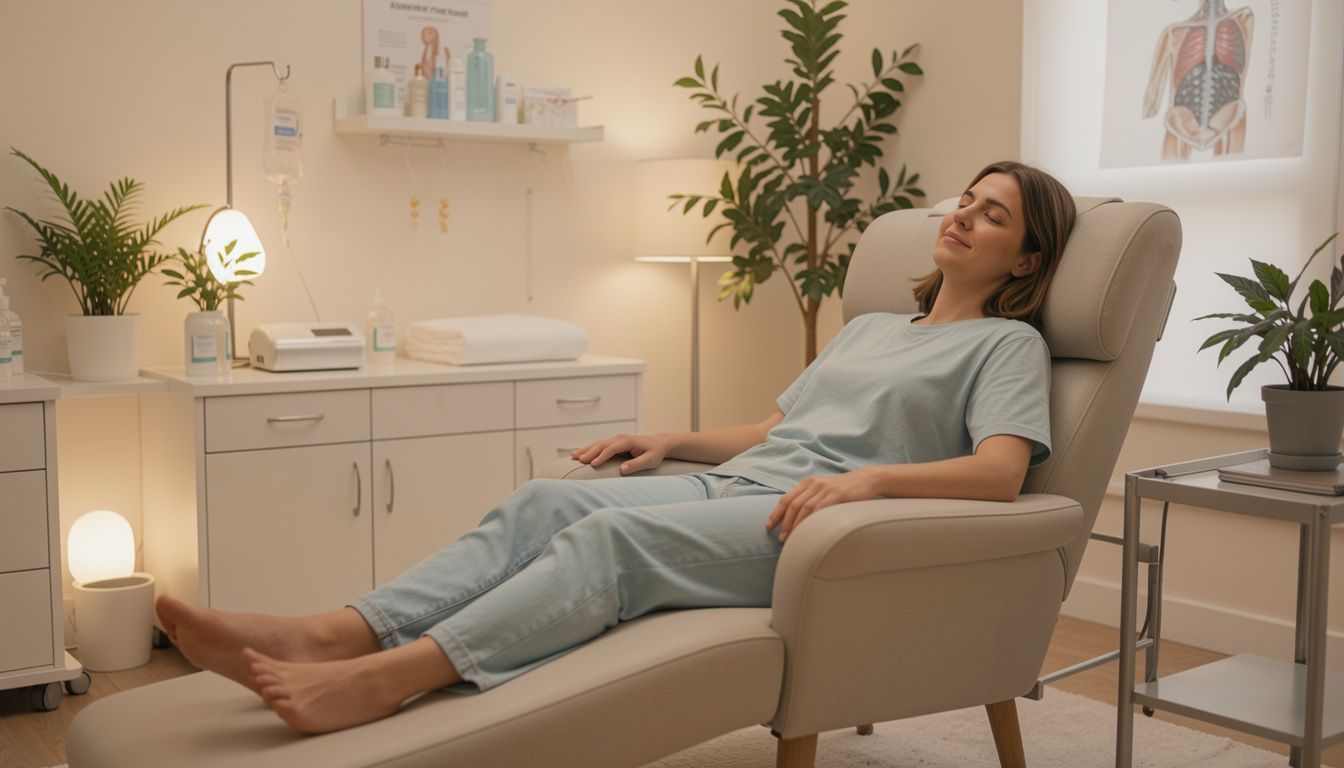
Vital Psych MD, we offer ketamine treatment in a safe, monitored setting. Doses are low and given as an IV infusion, an intramuscular shot, or a lozenge that dissolves under the tongue. We stay with you the whole time and track vital signs.
Ketamine treatment uses a mix of two mirror-image molecules and works fast by boosting glutamate and helping brain cells reconnect.
What Is Spravato Treatment and Why Is It Different?
Spravato is the brand name for esketamine. Esketamine is one half of the ketamine molecule. Scientists isolated the S form because it binds more tightly to the NMDA receptor.
Spravato treatment is FDA-approved esketamine treatment delivered as a nasal spray in a certified clinic.
Here are the facts that matter for you.
- FDA history:
Spravato was first approved on March 5, 2019, for treatment-resistant depression when used with an oral antidepressant. On January 21, 2025, the FDA approved it as a standalone option, the first and only monotherapy of its kind for adults who did not respond to at least two oral meds.
- How it is given: You spray it yourself in your nose under our direct supervision. You stay in our office for at least two hours after each dose so we can monitor blood pressure and any dissociation.
- Where it is given: Only in clinics certified in the FDA REMS program. You cannot take it home from a pharmacy like a regular prescription.
If you want to understand safety in more detail, we wrote a deeper look on this topic. Learn more about
ketamine therapy safety when standard anxiety treatments fail on our site.
Ketamine vs. Spravato Treatment The Core Difference in Chemistry
Think of ketamine like a pair of gloves. You have a left glove and a right glove. Together they are called racemic ketamine. Spravato treatment uses only the left glove, the S form, which is called esketamine treatment.
Why does that matter? Some research shows esketamine binds more strongly to the target receptor. Other studies show the full mix in ketamine treatment may give broader effects for some people. Both appear to help but they are not identical drugs.
Here is a simple comparison table to make it clear.
| Feature | Spravato Treatment (Esketamine) | Ketamine Treatment |
|---|---|---|
| What It Is | Contains esketamine, the S-enantiomer of ketamine. | Typically contains a racemic mixture of R- and S-enantiomers. |
| How It Is Given | Nasal spray administered under direct supervision in a certified healthcare setting. | May be given through IV infusion, intramuscular injection, or oral formulations, depending on the treatment setting. |
| FDA Approval for Depression | FDA-approved for treatment-resistant depression in adults, including use as monotherapy or with an oral antidepressant, depending on the indication. | FDA-approved as an anesthetic. Use for depression is off-label. |
| Insurance in Florida | May be covered by insurance with prior authorization and eligibility requirements. | Often self-pay for depression treatment; coverage varies by plan, provider, and administration method. |
| Onset of Relief | Some patients notice improvement within the first few treatments, though response times vary. | Some patients experience improvement within hours or days, but results vary. |
| In-Clinic Monitoring | At least 2 hours of monitoring after each dose under the FDA REMS program. Patients need transportation home. | Monitoring depends on the route, dose, and clinical protocol. Patients should arrange transportation home. |
| Typical Schedule | Typically twice weekly for 4 weeks, followed by weekly or every-other-week maintenance as clinically appropriate. | Varies by protocol and response; some programs begin with multiple treatments per week, followed by individualized maintenance. |
| Efficacy Snapshot | Clinical trials support its use for treatment-resistant depression. Maintenance treatment may help delay relapse in responding patients. | Clinical studies have found antidepressant effects in some patients. Evidence varies by treatment method, and long-term outcomes remain under study. |
The chemistry is close but the FDA status of the route of use and coverage are very different.
The FDA status difference is key. Spravato has FDA approval for depression, while IV ketamine is not FDA approved for depression and is used off-label.
How Each Treatment Is Given and What To Expect
We know new treatments can feel intimidating. So let us walk you through what a visit looks like near downtown Miami, just a short walk from Bayside Marketplace.
For Spravato treatment.
- You arrive and we check blood pressure and mood.
- You use the nasal spray device in three steps under our watch.
- You relax in a private room. Some people feel floaty or see colors more vividly. This fades within an hour.
- We check you again and you need a ride home. You cannot drive until the next day after a good sleep.
For ketamine treatment.
- You arrive and we review your health history and current meds.
- For IV, you get a small IV line and the infusion runs about 40 minutes. For lozenges, you let them dissolve slowly.
- You rest while we monitor. Many people listen to calm music or sit quietly.
- You also need a ride home and we call you the next day.
Both plans start with a burst of sessions then taper. Most patients notice improvement after one to three sessions but the full course matters for lasting results.
FDA Status Insurance and Cost Realities
This is where the choice often gets practical.
Spravato treatment is FDA approved for treatment-resistant depression and for major depressive disorder with acute suicidal thoughts when used with an oral antidepressant and now as a standalone treatment for adults who tried at least two oral meds. Because it is FDA approved, many insurance plans in Florida, including major carriers we work with, may cover it with prior authorization. You still have clinic fees and copays but coverage helps a lot.
Ketamine treatment for depression is off-label. The FDA approved ketamine only as an anesthetic. Clinics can still offer it legally because doctors may use approved drugs off label when evidence supports it. Insurance rarely covers it so most people pay out of pocket per session.
According to the National Institute of Mental Health, about 21 million US adults had at least one major depressive episode and about 30 percent of those do not respond well to standard antidepressants. That gap is why options like esketamine treatment and ketamine treatment matter.
For trusted background, you can read the FDA approval history on Drugs.com and the NIMH overview of depression stats on NIMH and the official label on
FDA.
If insurance coverage is a deciding factor, Spravato treatment often has an edge. If you want flexible dosing routes and a longer track record, ketamine treatment may appeal.
Side Effects, Safety, and Who Should Avoid Each Option
Both treatments are safe when given in a clinic but they are not for everyone.
Common short-term effects for both include.
- Feeling dissociated or detached for a short time
- Nausea or dizziness
- Rise in blood pressure or heart rate
- Headache after the session
Serious risks are rare when monitored. We screen for a history of psychosis, uncontrolled high blood pressure, certain heart conditions, and active substance use issues.
Spravato treatment has a specific safety program called REMS. It requires that you be monitored for sedation and breathing and that you have a ride home. Ketamine treatment also needs monitoring but does not fall under REMS.
If you live near Wynwood Walls or work in Brickell and have a busy schedule, plan for the full monitoring window. Do not schedule important meetings right after.
Both options need medical supervision and a ride home, but only Spravato treatment is locked into the FDA REMS program.
Which Option Might Be Right For You: Insights From Our Miami Practice
At Vital Psych MD we see three common patterns.
- You have tried two or more antidepressants with little relief and you want an FDA-approved route that insurance may cover. Spravato treatment is often the first to discuss.
- You had some response to ketamine before, you prefer IV dosing, or you want a lower cost per session and can pay out of pocket. Ketamine treatment may be a better fit.
- You have severe anxiety alongside depression and you want a plan that blends medicine plus therapy. In that case we may pair either option with therapy and skills coaching.
We never choose based on trends alone. We look at your history, blood pressure, sleep, trauma history, and what you have already tried. Our clinic at 66 West Flagler Street, Suite 900, is set up for both options so you do not need to go to two different places.
The best choice depends on your health history, coverage, and how your body has responded to past meds, not on internet buzz.
Final Thoughts
Ketamine vs. Spravato is not about which drug is stronger in a lab. It is about which path gets you stable relief safely and affordably.
To recap. Ketamine treatment is the full molecule mix used off-label for depression with a long history and flexible dosing. Spravato treatment is esketamine treatment delivered as a nasal spray that is FDA approved for treatment-resistant depression and now as a standalone option as of January 2025.
If you are near Bayfront Park or anywhere in greater Miami and you want to explore Spravato treatment or esketamine treatment, we can help you sort through the details. We will check your eligibility, explain the REMS steps, review insurance, and build a plan that fits your life.
Ready to talk?
Contact our team at Vital Psych MD to schedule a confidential consultation. We will listen to your story and lay out clear next steps.
Frequently Asked Questions
Is Spravato treatment available in Miami and who can get it?
Yes, we offer Spravato treatment in our Miami clinic at 66 West Flagler Street. Adults who have tried at least two oral antidepressants without enough relief may qualify. We do a full eval to confirm eligibility and safety.
How fast does Spravato treatment work compared to regular antidepressants?
Many patients notice improvement within 24 hours to a few days. Standard pills often take four to six weeks. Our team monitors you closely to track response and adjust the plan.
Does insurance cover Spravato treatment in Florida?
Often yes, with prior authorization because it is FDA approved for treatment-resistant depression. Coverage varies by plan. We help you check benefits and explain any copay or clinic fees before you start.
What is the difference between esketamine treatment and ketamine treatment for depression?
Esketamine treatment uses only the S form of the molecule as a nasal spray and is FDA approved. Ketamine treatment uses both forms and is given as an IV shot or lozenge off label. Both need clinic monitoring.
Can I drive after Spravato treatment or ketamine treatment?
No. Both require a ride home and no driving until the next day after restful sleep. This is for safety due to possible dissociation and blood pressure changes. Plan ahead if you work in Brickell or travel across Miami.

Dr. Kalvin Kapoor
Senior Medical Specialist & Clinical Researcher
Dr. Kalvin Kapoor is a board-certified physician specializing in preventive medicine and health communications. He bridges complex clinical research and actionable wellness guidance to empower readers toward healthier, informed lifestyles.