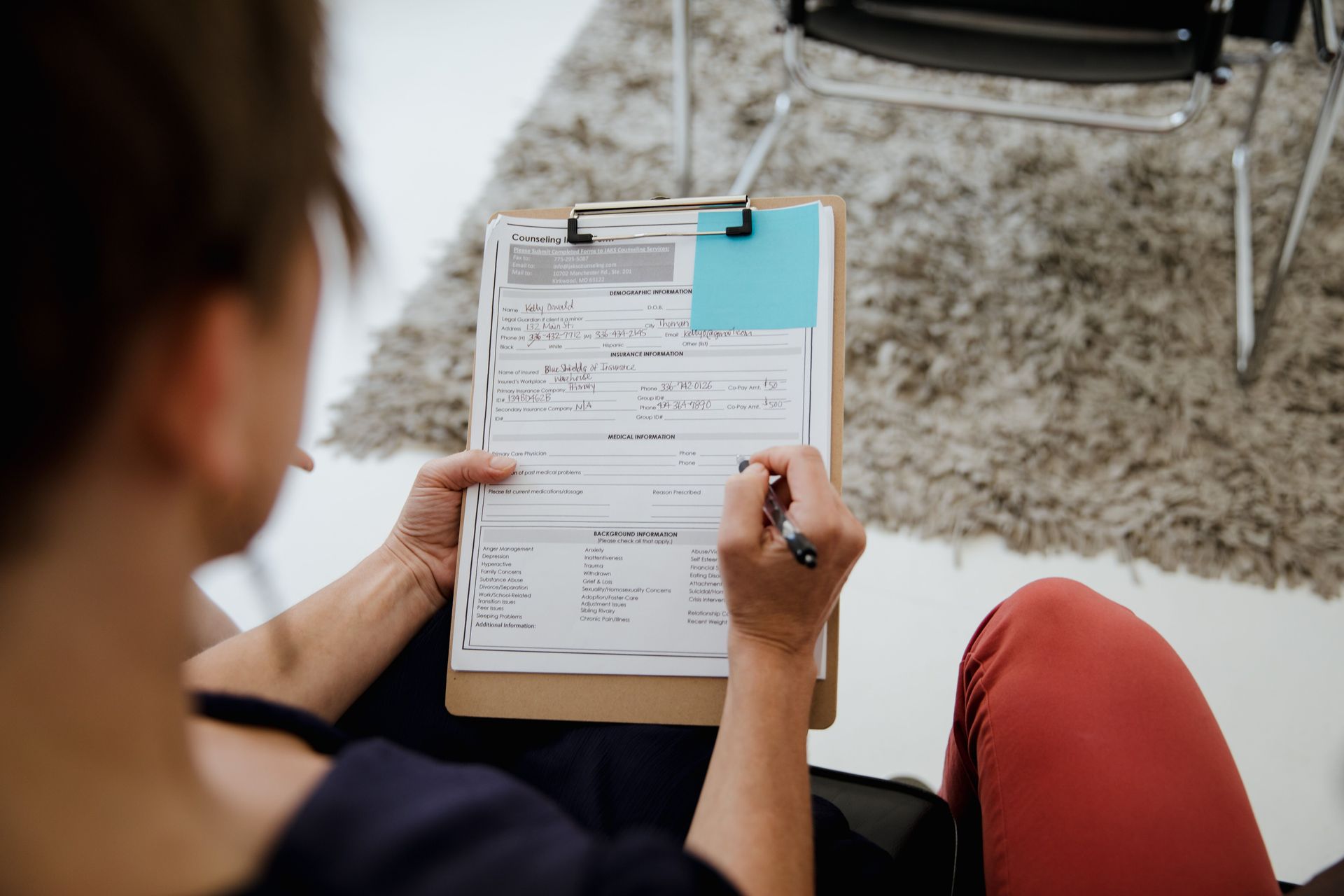
Mental Health Apps for Anxiety and Depression
The rise of mental health apps marks a pivotal change in how people address their psychological well-being. These digital platforms have rapidly gained popularity, providing a convenient and accessible method for individuals to tackle mental health challenges. As awareness of mental health issues grows, the demand for such apps has surged.
Globally, the number of downloads for mental health apps has increased significantly, with millions of users engaging with these digital tools. In the United States, the trend mirrors this global movement, with a notable rise in app downloads reflecting the growing acceptance of digital mental health solutions. The COVID-19 pandemic has played a role in this surge. Social distancing and lockdowns have heightened feelings of isolation and anxiety, prompting many to seek support through mental health apps.
Essential Features of Mental Health Apps
Selecting the right mental health app involves considering several crucial features. First and foremost, evidence-based content is vital. This ensures that the techniques and advice offered are grounded in clinical research and have demonstrated efficacy. Clinically validated methods lend credibility and reliability to the app's offerings. Ease of use is another important factor. Apps should have an intuitive design, easy navigation, and accessibility features to accommodate users with varying needs. A user-friendly app encourages consistent use, which is crucial for achieving mental health goals.
Customization options are valuable,
allowing users to tailor the app to their specific preferences and needs. Personalization can enhance user engagement and make the app more effective. The ability to integrate with other health apps and devices is also beneficial. This integration can provide a more comprehensive view of an individual's overall health, facilitating a holistic approach to managing mental well-being.
Assessing the Effectiveness of Mental Health Apps
Evaluating the effectiveness of mental health apps can be challenging, but several criteria can guide users. User reviews often provide insights into an app's strengths and weaknesses. Apps that have undergone clinical trials or have been endorsed by mental health professionals are generally more reliable. Experts agree that while technology cannot replace traditional therapy, mental health apps can complement existing treatments. They offer a convenient way to practice techniques and monitor progress between therapy sessions.
The benefits of using mental health apps include increased accessibility to mental health resources and the ability to manage symptoms of anxiety and depression in real time. There are limitations, such as the lack of personalized feedback that a therapist might provide. Successful case studies highlight the positive impact these apps can have. Personal stories from users who have experienced improvements in their mental health underscore the potential benefits of incorporating these tools into one's mental health regimen.
Privacy and Security Concerns
Privacy concerns are prevalent among users of mental health apps, particularly regarding data collection and sharing practices. Understanding how an app handles data is critical for maintaining user trust. Users should read privacy policies carefully to ensure they are comfortable with how their information will be used. Selecting apps with strong security measures is essential. Transparency in data handling is a good indicator of an app's commitment to user privacy.
Leading Mental Health Apps for Anxiety and Depression
Several mental health apps have gained prominence due to their effectiveness and user satisfaction. Headspace, Calm, and Moodfit are among the most popular, each offering unique features to support mental well-being.
Headspace is renowned for its meditation and mindfulness exercises, while Calm offers a variety of relaxation techniques, including sleep stories and music. Moodfit provides tools for tracking mood and setting mental health goals. Each app varies in pricing, with some offering free basic features and others requiring a subscription for premium content. User testimonials and expert reviews often highlight the strengths and areas for improvement in these apps.
Future of Mental Health Apps
The future of mental health apps is promising, with emerging trends and innovations on the horizon. Artificial intelligence and machine learning are poised to enhance app functionalities, providing more personalized and adaptive experiences for users.
As technology continues to evolve,
mental health apps may integrate more seamlessly with traditional mental health services. This integration could offer a more comprehensive approach to mental health care, combining the convenience of digital tools with the expertise of mental health professionals.
Enhancing User Engagement
For mental health apps to be effective, they must engage users in meaningful ways. Engagement can be fostered through interactive features, regular updates, and community support. Interactive features, such as guided exercises and real-time feedback, can keep users motivated and committed to their mental health journey.
Regular updates ensure that the app remains relevant and provides users with the latest tools and techniques. Community support, such as forums or group activities, can offer users a sense of connection and shared experience, which is particularly valuable for those dealing with anxiety and depression.
The Role of Gamification in Mental Health Apps
Gamification is an emerging trend in mental health apps that can enhance user engagement. By incorporating game-like elements, such as rewards, challenges, and progress tracking, apps can make mental health activities more engaging and enjoyable. This approach can motivate users to stick with their mental health routines and achieve their goals. Gamification also allows users to track their progress in a visually appealing and rewarding way. Seeing tangible improvements can boost motivation and encourage continued use of the app.
The Importance of Cultural Sensitivity
Cultural sensitivity is a crucial consideration in the design and development of mental health apps. Apps that acknowledge and respect diverse cultural backgrounds can better serve a global audience. This involves offering content that is inclusive and relevant to users from various cultural contexts. Culturally sensitive apps can also provide language options and culturally specific resources, ensuring that users from different backgrounds feel supported and understood.
Mental health apps represent a significant advancement in how individuals manage their mental well-being. By understanding the key features and evaluating the effectiveness of these apps,
users can make informed decisions about incorporating them into their mental health strategies. As the industry continues to innovate, the potential for these apps to improve mental health outcomes is vast. The future of mental health apps holds promise for more personalized, engaging, and culturally sensitive tools that can complement traditional mental health services and offer individuals the support they need.
For inquiries or further assistance,
reach out to Vital Psych MD today. We are here to support you on your journey to better mental health.+